Five Expensive Habits: Where UK Buyers Trip Up When Importing from the EU
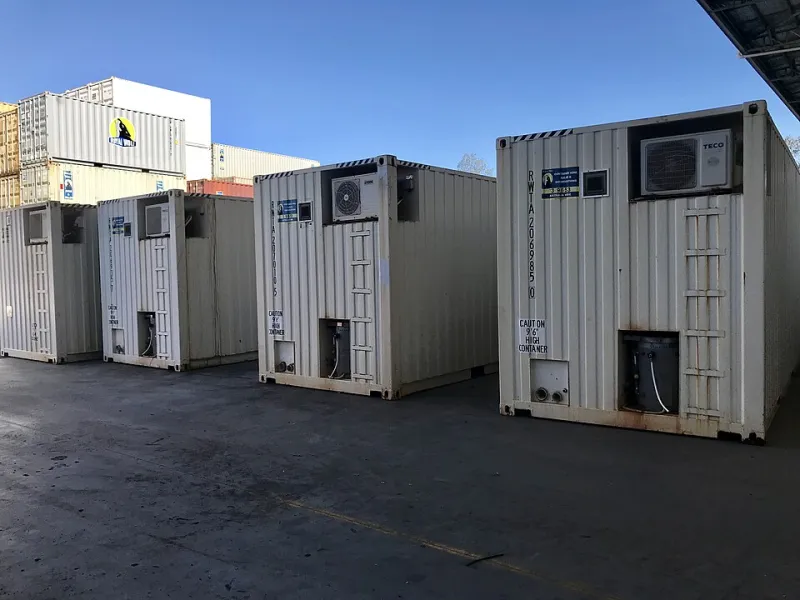
Photo: Kgbo, CC BY-SA 4.0, via Wikimedia Commons
Trading with the European Union remains a natural choice for British buyers: the distances are short, the quality is high and the supplier base is deep. What has changed since 1 January 2021 is everything that happens between the purchase order and the goods arriving on your doorstep. Having guided numerous clients through the new landscape, we have assembled the five mistakes we see most often — together with what each one typically costs and how to avoid it.
Mistake One: Assuming the Supplier Handles VAT
Under the old regime, EU suppliers simply invoiced without VAT and it was nobody's problem until the goods crossed the Channel. Today, imported goods from the EU are generally subject to import VAT at the UK rate, collected at the border or accounted for on your VAT return under postponed VAT accounting.
The cost: Buyers who have not registered for postponed VAT accounting often find the cash tied up at the border, or worse, discover an unexpected 20% charge on a £40,000 consignment — £8,000 in delayed or disputed VAT.
The fix: Register for postponed VAT accounting with HMRC, obtain a UK EORI number, and confirm on every order that your supplier understands the goods are being exported. Check that invoices show the correct zero-rating for exports.
Mistake Two: Signing Without Understanding the Incoterms
Incoterms — the three-letter codes such as EXW, FOB and DAP that appear in the small print — determine exactly where the seller's responsibility ends and yours begins. Buy on EXW (Ex Works) and you are responsible for collection, export clearance in the EU, freight and import clearance. Buy on DDP and the seller carries nearly everything.
The cost: A buyer who assumed DAP meant "delivered, all duties paid" once faced a £2,300 surprise in UK import duty and customs brokerage fees on a single pallet shipment.
The fix: Ask for the Incoterms 2020 rule to be stated explicitly on the quotation, and ask the one clarifying question that matters: "Who pays import duty and VAT, and who arranges UK clearance?"
Mistake Three: Ignoring Rules of Origin
The Trade and Cooperation Agreement allows tariff-free movement of EU-origin goods into the UK — but only if the goods genuinely qualify as EU origin. Components manufactured elsewhere and merely assembled in the EU may not qualify.
The cost: Without a valid statement on origin, standard third-country duty applies — commonly between 3% and 8% of the consignment value. On £100,000 of annual imports, that is up to £8,000 a year in avoidable duty.
The fix: Request a statement on origin from your supplier for qualifying goods, and keep it on file. If origin is unclear, ask before you ship, not after.
Mistake Four: Letting Currency Drift
Quotations from EU suppliers are usually in euros. Buyers who accept a euro invoice without a plan for conversion are effectively taking a position on the foreign exchange market, whether they intend to or not. Sterling's swings since 2016 have regularly moved the effective price of EU goods by 5% or more between quotation and payment.
The cost: On a £250,000 annual European supply bill, a 5% adverse move is £12,500 — far more than any margin improvement most SMEs will win in a year.
The fix: Agree whether prices are fixed in sterling, negotiate a shared currency-adjustment mechanism, or use a forward contract through your bank or a currency specialist. Even a simple policy of paying invoices within a set number of days reduces exposure.
Mistake Five: Treating Customs Paperwork as the Forwarder's Problem
It is true that your freight forwarder completes the declarations. It is not true that the legal responsibility is theirs. The importer of record — usually you — is accountable for the accuracy of commodity codes, values and origin data.
The cost: An incorrect commodity code can mean overpaid duty that is difficult to reclaim after the time limit, or underpaid duty later recovered by HMRC with interest and penalties. One client's misclassified components led to a back-duty bill approaching £6,000.
The fix: Maintain a verified commodity code list for your regular products. A one-off ruling request to HMRC costs nothing and provides certainty.
In Summary
None of these pitfalls is difficult to avoid; all of them are expensive to discover. The pattern we see is consistent — businesses assume the old single-market habits still apply, and the new rules catch them quietly, one consignment at a time. A modest investment of time in EORI registration, Incoterms literacy and origin documentation repays itself many times over. If you are reworking your European supply arrangements and would value a second opinion on the practicalities, we are always happy to talk it through.