In Praise of the Beige Unit: Why Britain's Real Business Happens on the Trading Estate
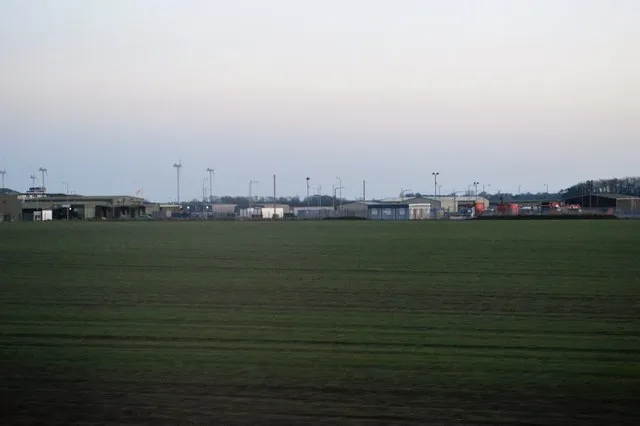
Photo: N Chadwick , CC BY-SA 2.0, via Wikimedia Commons
There is a particular smell to a trading estate unit. Concrete dust, machine oil, and the institutional hand soap in the WC at the end of the corridor. Anyone who has spent a career in British supply — and at Hings Ltd, we have — will know it instantly. It is the smell of things actually getting done.
The out-of-town industrial unit has never enjoyed a good press. It is the beige caravan of the British economy: functional, unglamorous, parked on the ring road where nobody photographs it. City commentators write love letters to glass towers and converted warehouses in Shoreditch. Nobody writes odes to Unit 14, Meadows Trading Estate, Withy Grove. This article is an attempt to redress that.
The Economics of the Unlovely
Start with the numbers, because our clients always do. A unit on an estate outside Milton Keynes or Wigan costs a fraction of the rent per square foot of a city-centre address. That difference is not cosmetic; it flows straight through to quotations. When overheads are modest, a supplier can hold pricing steady through a difficult quarter rather than passing every rise down the chain.
There is more to it than rent. Parking is free and plentiful. The landlord answers the phone. The unit can be extended into the yard when stock runs high, or a mezzanine thrown up when it runs higher. A business in a trading estate unit can flex in ways that a serviced office on the fortieth floor simply cannot. Flexibility, in our experience, is what reliability is made of.
Loading Bays Beat Reception Desks
Here is a test we suggest to any buyer vetting a new supplier: visit the premises and watch how goods actually leave the building. On a trading estate, the answer is usually visible within minutes. A roller shutter, a level yard, a forklift with a competent driver, and a dispatch bay that clears by four o'clock so the pallet network collects on time.
In a glossy city office, the same question produces a tour of the meeting rooms. The goods, if there are any, are three miles away in a unit nobody mentions. We have nothing against nice reception areas, but a client with a deadline should care about the bay, not the lobby. The estate unit puts the whole operation — sales desk, stores, dispatch — within fifty feet of itself. When the warehouse manager can shout a question to the person who took the order, mistakes die young.
What a Site Visit Actually Reveals
A trading estate is the most honest venue in British commerce. There is nowhere to hide. Walk the unit and you will see the state of the racking, the age of the vans, the mood of the staff on a wet Tuesday in February. A buyer can learn more in twenty minutes at an estate in Telford than from any number of polished tender documents.
This transparency cuts both ways, and we think that is a virtue. A firm that keeps a tidy, workmanlike unit has nothing to disguise. A firm that insists meetings happen at a restaurant or a client's office, never at theirs, is telling you something — and you should listen.
The Community Nobody Photographs
There is a quiet ecosystem on these estates that outsiders miss. The factors and fabricators, the hauliers who know every unit by name, the tool supplier who will open early for a firm in a jam. When a customer's order is at risk, it is often a neighbouring business on the estate that helps rescue it. Short supply chains are not just a procurement strategy; on a trading estate, they are a way of life.
We have traded from such a unit for over twenty years. We have watched fashion move to the cities and, latterly, move back. Remote working suits some trades, and we bear no ill will to those who have embraced it. But a business that supplies physical goods to other businesses will always, eventually, need a floor, a racking system, and a shutter that opens at seven.
The Case, Stated Plainly
So here is our argument, made without apology. The trading estate unit keeps overheads low, which keeps prices honest. It puts the entire operation behind one door, which keeps communication short. It shows its true self to any visitor, which keeps trust cheap to verify. And it sits next to the ring road, which keeps the lorries moving.
Britain's economy is routinely described from the top down — the Square Mile, the tech clusters, the Northern Powerhouse's showcase developments. But the country is supplied, daily, from places with names like Brookside Industrial Park and Old Meadow Lane. They are not beautiful. They are dependable. In the B2B world, dependability is the only aesthetic that matters.
The beige caravan, in other words, is still going — and it is carrying rather more of the nation's freight than the glossy brochures would have you believe.