Diary of a Quarter-Million-Pound Order: Twelve Weeks Inside a Small Firm's Biggest Contract
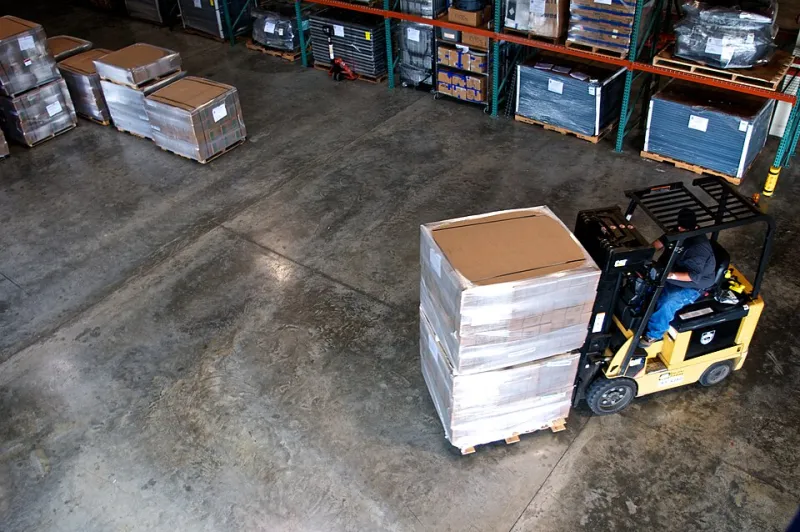
Photo: Department of Homeland Security. Federal Emergency Management Agency. Public Affairs Division. 3/1/2003, Public domain, via Wikimedia Commons
Buyers often ask whether a firm of our size can genuinely handle a large contract. It is a fair question, and rather than answer it with reassurances, we thought it more useful to open the books on one. What follows is a compressed diary of a £250,000 order we delivered last year — the scheduling, the credit checks, the subcontractor haggling, and the 6am phone calls that never make it onto anyone's website.
Week One: The Enquiry and the Credit Check
The order arrived, as most do, as an unremarkable email. Before anyone got excited, two things happened in parallel. First, a director read the specification properly — not skimmed, read — because the most expensive mistakes are made in week one, not week ten. Second, we ran a credit check on the client. Buyers are sometimes surprised that the scrutiny runs both ways. A contract of this size represents a serious exposure for a small firm; if our client's finances wobble in month three, we carry the stock, the labour and the sleepless nights. Due diligence is not distrust. It is how both parties end the job still speaking.
Weeks Two to Four: Pricing, Scheduling and the First Honest 'No'
Pricing a large order is less arithmetic than prophecy. Steel prices move, lead times drift, and fuel costs change while you are typing the quotation. We built contingencies into the figure and, more importantly, told the client where they were. Alongside this came the scheduling puzzle: fitting a twelve-week programme around three existing commitments without letting any of them slip.
We also declined one element of the scope. It sat outside what we do well, and we said so, recommending a specialist instead. Small firms that pretend to do everything are the ones that let clients down. Knowing the edge of your competence is a commercial skill, not a limitation.
Weeks Five to Eight: Subcontractors, Cash Flow and 6am Calls
Behind the scenes, the order became a rolling negotiation. Two subcontractors needed booking, and neither came cheap — but the cheapest available was, on our assessment, a false economy waiting to happen, so we paid the modest premium for a firm we had worked with before. Meanwhile our accounts team managed the payment schedule carefully. On a contract this size, cash flow is the silent risk: materials must be paid for weeks before milestone payments arrive. Firms that don't plan for this gap are the ones that go quiet mid-contract.
The 6am calls started in week seven. A delivery window changed at short notice, and our operations lead was on the phone before most of the country had made tea. Nothing dramatic — just the unglamorous machinery of a job staying on track.
Weeks Nine to Twelve: Delivery, Snags and the Worry Tax
The final weeks were a blur of checklists. Every item was inspected twice: once at our end, once on site. There were three snags, all minor, all rectified within days and all reported to the client before they spotted them. Handover was a signed sheet and a final invoice — and, quietly, a director reviewing what had gone wrong so the next contract would run smoother.
What This Means for Buyers
If you are weighing a compact firm against a larger one, here is what this diary should tell you:
- Ask who owns your job. At a small firm, a named person answers for it — including at 6am.
- Welcome the credit check. A supplier that checks your finances is one that plans to still be standing at delivery.
- Respect the honest no. A firm that declines work outside its competence is protecting your timeline, not its ego.
- Expect worry. Our directors lost sleep over this order, and that is precisely the point. In a small firm, the owner's own money and reputation sit behind every contract. That worry is the invisible quality control that no certificate can replicate.
Big contractors bring scale. Small firms bring consequence. On a quarter-million-pound order, we would argue consequence is worth more.