The Handshake Still Counts: Why Trust Beats the Algorithm
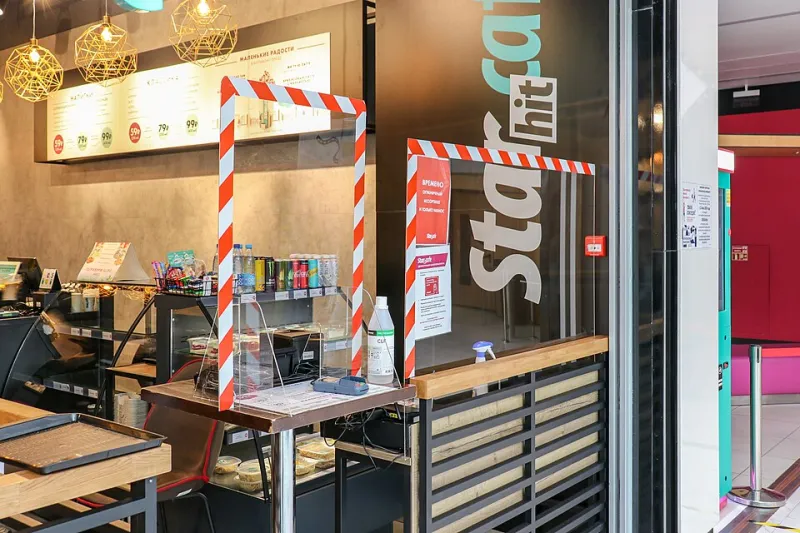
Photo: Stolbovsky, CC BY-SA 3.0, via Wikimedia Commons
There is a certain type of procurement professional who believes the future of British trade is a dashboard. Suppliers scored, ranked and shortlisted by algorithm; meetings replaced by portals; the entire commercial relationship compressed into a scorecard. It is a tidy vision. In our experience, it is also mostly wrong.
The Portal Problem
Over the past decade, the machinery of buying has been thoroughly digitised. Framework agreements, e-tendering suites and supplier vetting platforms have brought genuine benefits — transparency chief among them. Nobody mourns the days when a contract worth six figures could be awarded on the strength of a round of golf.
But something has been lost in the translation. When every supplier is reduced to a line on a comparison table, buyers lose the information that actually predicts performance: whether the people behind the quotation will still answer the phone at eleven o'clock on a Friday when a delivery goes astray. We have watched a client abandon a platform-recommended supplier — marginally cheaper on paper — after a single site visit revealed a warehouse in chaos and a operations manager who could not name his own drivers. The spreadsheet said nothing. The visit said everything.
Deals Won and Lost on Rapport
Consider two anonymised cases from our own recent history.
The first: a mid-sized distributor in the Midlands put a supply contract out to a formal tender. We came second on price. Yet three weeks later the phone rang. The buyer's chosen supplier had failed to provide a satisfactory reference, and the buyer — having met our team twice — wanted to know whether our original offer still stood. It did. The contract ran for four years.
The second cuts the other way. A prospective client, courted diligently over several months, chose a competitor who had invited the buyer's whole family to a corporate hospitality weekend. When that supplier's service collapsed within six months, the client was too embarrassed to come back for nearly a year. Rapport without substance is not a relationship; it is a liability wearing a lanyard.
The lesson from both: personal trust opens the door, but only operational reliability keeps it open.
Making the Old-Fashioned Fit the New Rules
None of this is an argument for turning the clock back. Any UK business trading today must navigate procurement compliance that would have baffled a 1990s salesman — modern slavery statements, cyber essentials certification, insurance schedules, ESG questionnaires. The handshake now comes with an appendix.
Our advice to fellow SMEs is straightforward:
- Be findable and verifiable first. Ensure your Companies House record, insurance documents and certifications are current before a buyer ever meets you. Trust cannot be built on paperwork, but it can certainly be destroyed by its absence.
- Use the platform to get shortlisted, then get in the room. A written submission wins you the meeting; the meeting wins you the contract. Never delegate the relationship entirely to the bid team.
- Keep a paper trail of the relationship. Minutes of meetings, agreed specifications, confirmed change requests. Warmth and rigour are not opposites — the best commercial friendships are the best documented ones.
- Never let familiarity substitute for diligence. Re-credit-check long-standing partners. Review long-term contracts annually. Loyalty is a virtue; complacency is a cost.
The Verdict
Automation has made supplier selection faster, but not one bit more certain. The questions that decide whether a trading partnership thrives — Will they tell us when something goes wrong? Will they still be trading in three years? Do they treat their own people well? — are answered by people, not portals.
For British SMEs, the message is encouraging. You cannot outspend a multinational on a tender platform, but you can out-know it, out-serve it and out-last it. The handshake still counts. It just needs to be attached to a very well-organised back office.