The Spare Key: Why Every Firm Should Hold a Supplier It Barely Uses
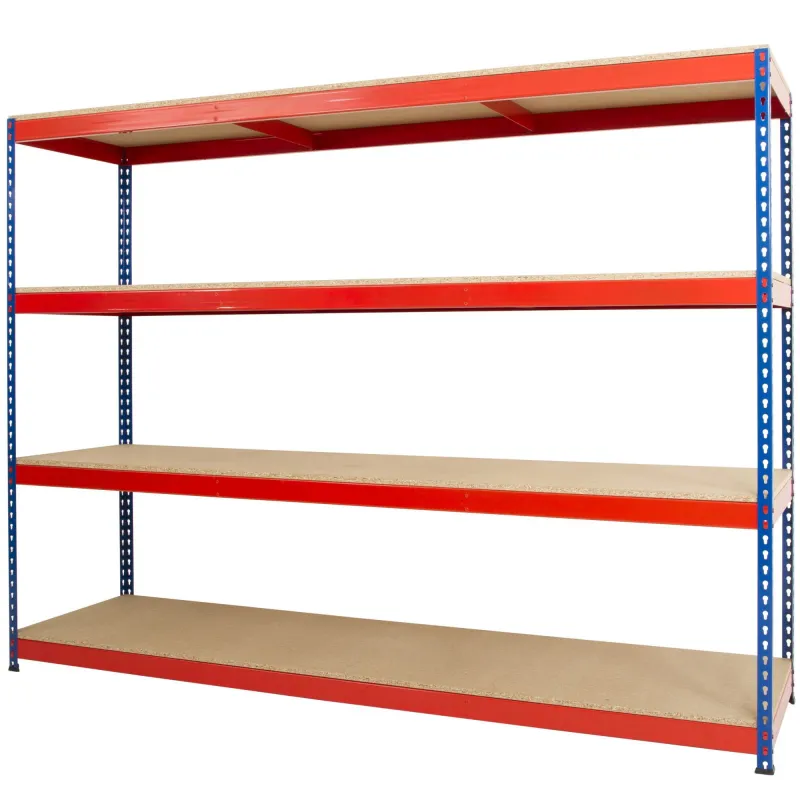
Photo: warehouse shelves spare stock pallets UK industrial unit, via www.llmhandling.co.uk
There is a line item that never appears on a profit and loss account, yet every experienced trader knows it exists: the cost of having nowhere else to go.
Most small firms arrive at this realisation the hard way. The single supplier who has taken all your volume for three years misses a delivery, raises prices by an eye-watering margin, or simply stops answering the phone. Then, and only then, does the search for an alternative begin — at precisely the moment every other buyer in your position is running the same search.
We would argue the opposite habit is worth adopting: deliberately maintaining a second supplier you barely use. Not as a customer of record, not as a fallback on paper, but as a genuine, qualified, warm relationship. Call it the spare key principle. You hope never to use it, but you would not keep a locked premises without one.
The Hidden Price of Concentration
Putting all your volume with one source is not laziness; it is usually the product of good service. One supplier performed, so they earned the work. The problem is that concentration quietly converts a commercial relationship into a dependency, and dependencies have a way of repricing themselves.
The signs are familiar. Lead times stretch because your orders no longer carry the urgency of a new customer. Quotations arrive less sharp. A change of ownership, a lost contract on their side, or a single key contact leaving can reset the relationship to zero overnight. None of this is malice — it is simply what happens when a buyer has no credible alternative. Suppliers, quite rationally, prioritise the customers who might leave.
The true cost of single-sourcing rarely shows up in the unit price. It shows up in the emergency freight, the premium spot order, the contract you decline because you could not guarantee supply. Spread across a year, that can dwarf any volume discount you won by consolidating.
When to Qualify a Backup
The right moment to bring on a second source is not during a crisis. It is when the first relationship is healthy and you have the time to do the job properly.
A sensible qualification looks much like any first-time vetting: a site visit, references, a small paid trial order, and a clear-eyed read of their capacity. A backup that has never fulfilled a real order is not a backup; it is a name in a spreadsheet. The paid trial matters particularly here. A modest order, honestly priced, tells you more about a supplier than a folder of certificates ever will.
Not every input justifies the effort. A rough rule of thumb: qualify a second source for anything where a failure would stop your own deliveries — the components, the goods, the services that sit on your critical path. For the trivial and the easily sourced, the open market is backup enough.
Keeping the Relationship Warm
This is where most firms stumble. A second supplier left cold for two years is, in practical terms, a stranger with your details on file.
The answer is not artificial volume. It is regular, low-cost contact: an order every quarter or two, however small; a brief call from the account manager; inclusion in the annual review even though the numbers are modest. Small orders placed honestly — with the relationship acknowledged openly — are worth more than promises of future work. Suppliers talk to each other, and a buyer known for treating quiet suppliers fairly earns goodwill that outlasts any single contract.
Be candid, too. There is no shame in telling a backup supplier exactly what they are: a qualified alternative, held deliberately, with a share of work to keep the arrangement real. Most will respect the honesty far more than vague assurances of volume that never arrives.
A Word on the First Supplier
None of this works as theatre. If your primary supplier discovers you have been stringing along a rival on pretence, the trust that underpins the whole arrangement evaporates. The best-run firms are transparent: primary supplier, secondary supplier, and the reasoning behind both. A confident supplier will not object to a customer having resilience. Only an insecure one will.
The Cheapest Policy You Will Ever Buy
A dormant second supplier costs a few small orders a year and a handful of phone calls. The alternative — scrambling for cover mid-crisis, at panic prices, with no history on either side — costs a multiple of that, and sometimes a customer.
We have sat on both sides of this arrangement over the years, as buyer and as the firm kept warm in the background. Our experience is consistent: the firms that keep a spare key are the ones still trading calmly when everyone around them is locked out.