Wheels, Lock-Ups and Wi-Fi: When a Business Outgrows the Van
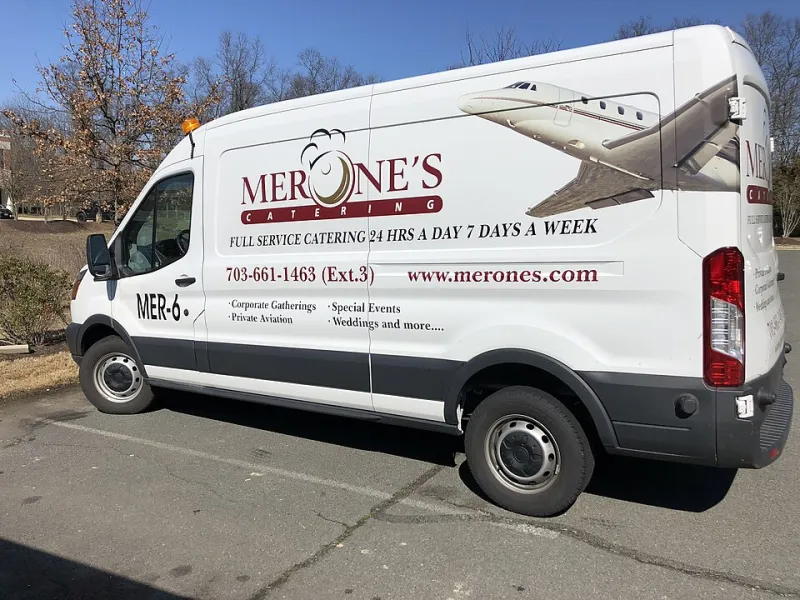
Photo: Famartin, CC BY-SA 4.0, via Wikimedia Commons
There is a particular breed of British business that never appears in the glossy case studies. No signage, no reception desk, no unit number on the trading estate. Just a Transit or a Sprinter, a lock-up somewhere off the A-road, and a mobile phone that doubles as the accounts department, the sales team and the switchboard. Ask where the head office is and the honest answer is: the M62, usually somewhere between junctions.
It is easy to romanticise this model, and plenty of commentators do. But having watched firms on both sides of the fence — those with keys to a building and those whose keys open a roller shutter at 6am — we would argue the truth is more balanced than either camp admits.
What the Van Model Genuinely Gets Right
The obvious advantage is cost. A fixed unit brings rent, business rates, insurance, utilities and maintenance before a single invoice is settled. A van and a lock-up strip most of that away, which matters enormously in the first few years when cash flow is less a science than a daily negotiation.
There is also a speed advantage that fixed-premises firms sometimes forget they once had. When the office is the cab, the business is where the work is. Decisions happen at the customer's gate, not three days later by email. For trades, haulage support, wholesale delivery and similar lines of work, that immediacy is a genuine competitive edge — customers deal with the person who can actually say yes.
Finally, there is the discipline it enforces. A firm that pays for every square foot of storage it uses thinks hard about stock. Waste has nowhere to hide when your warehouse is six feet wide.
What It Quietly Costs
The losses are less visible, which is precisely why they accumulate unnoticed.
The first is credibility at the margins. Most buyers will not say it out loud, but a registered address, a landline and a unit someone can visit all function as quiet signals of permanence. When a tender or a larger contract asks for a site address, the van-based firm finds itself explaining, which is never a position you want to be in during due diligence.
The second is capacity — of the founder, not the firm. In the mobile model, everything routes through one person's phone. That is efficient until the phone breaks, the person burns out, or the order book doubles. We have seen promising firms plateau not for lack of demand but because the founder physically could not answer another call. The business had no headroom because it had no infrastructure.
The third is continuity. A lock-up can be broken into, a van can be written off, and a business that lives entirely inside one vehicle and one person's head is, bluntly, one bad Tuesday away from serious disruption.
The Moment to Sign the Lease
So when should a firm make the jump? We would offer three signals, and we would suggest acting when you can tick two of them, not one.
You are turning work away. Not occasionally, but as a pattern. If capacity, not demand, is the constraint, premises are how you buy headroom.
You are explaining your address more than once a quarter. If larger customers keep asking where they can visit, collect or audit, the absence of premises has become a commercial friction you are paying for in lost deals.
Someone else needs to work without you. The moment a second pair of hands needs somewhere to receive goods, process orders or hold stock reliably, the lock-up stops being lean and starts being a bottleneck.
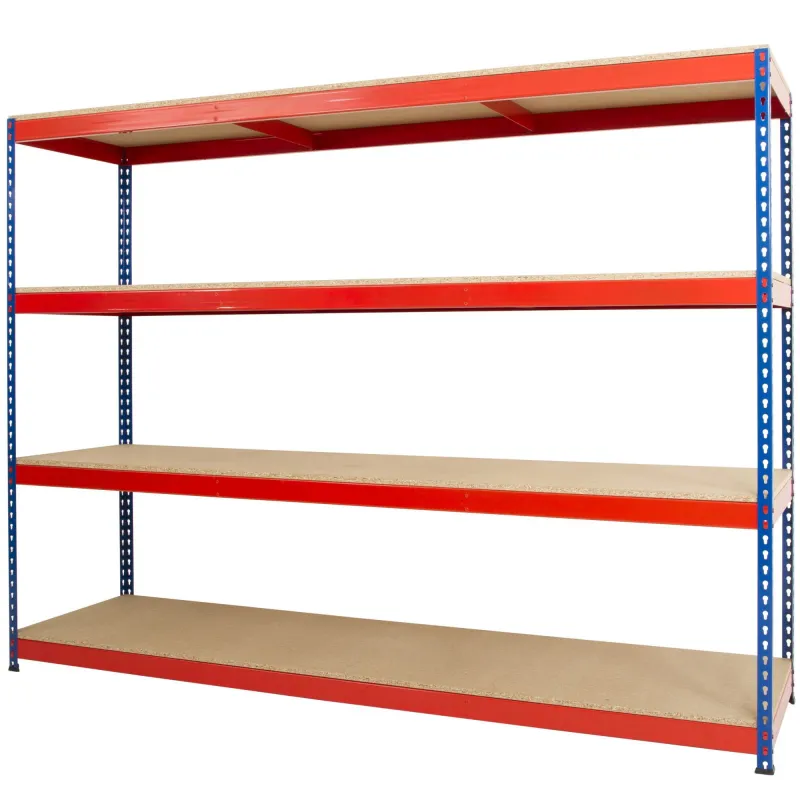
When that point arrives, the advice is unglamorous: start small, take a short lease or licence rather than a ten-year commitment, and budget honestly for the rates and running costs that never make it into the daydream. A modest unit with a phone line and a forklift-friendly door will do more for a growing firm than a flagship address it cannot fill.
A Word in the Van's Defence
None of this is an argument that every firm needs a unit. Some businesses should never have fixed premises, and the mobile model, run with discipline, is a legitimate structure rather than a halfway house. But the firms that make it work are honest with themselves about the trade: they have exchanged overhead for exposure, and they manage that exposure deliberately — with good insurance, proper systems and a registered office that answers the phone.
The van is not a lesser form of business. It is simply a different bargain — and like all bargains, it is worth reading the terms before the mileage clock catches up with you.