The First Twenty-Four Hours: What to Do When a Supplier Misses the Delivery

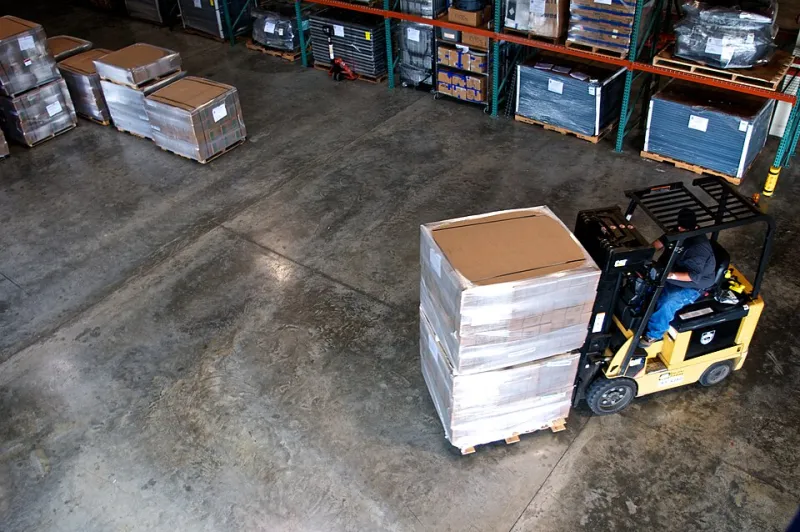
Photo: Unisouth at English Wikipedia (Original text: Unisouth (talk)), CC BY-SA 3.0, via Wikimedia Commons
Every buyer knows the feeling. The order was confirmed, the date was agreed, and the site team has been told to expect the van. Then the call comes — or worse, doesn't — and the delivery isn't coming today.
How you handle the next twenty-four hours matters more than how you feel about it. React badly, and you can turn a recoverable slip into a fractured relationship. React well, and you'll often find the supplier works harder for you afterwards, not less. Here is how we'd suggest playing it.
Hour One: Establish the Facts Before You Pick Up the Phone
It is tempting to ring the supplier the moment you hear the delivery has slipped. Resist for half an hour. Gather what you actually know: the order reference, the agreed delivery window, any tracking updates, and what the knock-on effect is for your own operation.
When you do call, open with facts, not feelings. "The delivery scheduled for this morning hasn't arrived and I've had no notification — can you tell me where it is?" will get you further than an opening salvo about how unacceptable this all is. You need information first. Recriminations can wait until you have the full picture.
Ask the Two Questions That Matter
Once you have someone on the line, there are only two questions that genuinely matter in the first conversation:
- When will it actually arrive? Not an apology, not an explanation — a date and, ideally, a time.
- What is the root cause? A missed delivery caused by a breakdown is a different animal to one caused by your order never having been picked.
Write both answers down, with the name of the person who gave them and the time. If the answers differ later, you'll want to know who said what and when.
Get It in Writing — Same Day
A follow-up email within a couple of hours is not bureaucracy; it is protection for both sides. Keep it short and neutral:
"Confirming our call today at 11:15 with Sarah: order #4821, scheduled delivery 14 March, now expected 16 March, reason given as vehicle breakdown. Our production line is scheduled for 17 March — please confirm the revised date is achievable."
This does three things. It creates a timestamped record. It locks in the commitment. And it signals, politely, that you are the sort of buyer who keeps records — which alone tends to sharpen a supplier's attention.
Assess the Real Damage
Before escalating, work out what the failure actually costs you. A day's delay on consumables is an irritation. A day's delay on a component for a timed installation might mean idle staff, penalty clauses, or a missed client commitment.
Quantify it where you can — hours lost, extra costs incurred, deadlines at risk. You don't need a spreadsheet worthy of an audit, but a rough figure transforms your position. "This delay costs us roughly £1,800 in standing labour" is a very different conversation from "this is really inconvenient."
Escalate by Degrees, Not by Explosion
Escalation is a ladder, and sensible buyers climb it one rung at a time:
- First contact: your usual account manager or the person who took the order.
- Second contact: their manager, if the first response is vague or the new date is unacceptable.
- Third contact: a formal written complaint, only if the pattern repeats or the financial impact is material.
Jumping straight to the managing director because a van was late once marks you out as a difficult customer — and difficult customers, fairly or not, quietly drift down the priority list when suppliers are allocating scarce stock or slots.
Distinguish a Bad Day from a Bad Supplier
One missed delivery, promptly owned and remedied, is usually a bad day. Two or three in a quarter, with excuses that shift each time, is a pattern — and patterns deserve a different response.
Keep a simple log: date promised, date delivered, reason given. After three months you'll have an evidence base that no amount of charming account management can talk down. If the record shows a supplier failing ten per cent of the time, you have grounds for a formal review of the relationship — or a quiet migration of your orders elsewhere.
Raise It Without Burning the Bridge
There is a skill to complaining well. A few habits we've seen work over the years:
- Separate the people from the problem. The depot didn't load your pallet; a person did. Address the failure, not the individual.
- State the impact, then the expectation. "This put our Friday install at risk. Going forward, we need notification by 8am if a delivery will slip."
- Leave room for them to put it right. Suppliers remember who gave them a chance to recover, and they remember it for years.
The UK supply world is smaller than it looks. The depot manager you berate today may be the sales director quoting your biggest order in eighteen months.
Build the Habit Before You Need It
Finally, the best time to prepare for a failed delivery is before it happens. For anything critical, agree a notification protocol with key suppliers — a call by a set time if a delivery will miss. Build a float into your schedules for the orders that genuinely cannot slip. And keep that delivery log from day one.
None of this is glamorous. But between two firms that otherwise look identical on paper, the one with clean records, measured escalation, and a reputation for fairness is the one that gets the van prioritised when stock is tight.
Stay calm, write everything down, and climb the ladder slowly. Your future self — and your supplier — will thank you for it.