Reading the Racking: Why a Walk Round a Supplier's Warehouse Beats Any Brochure
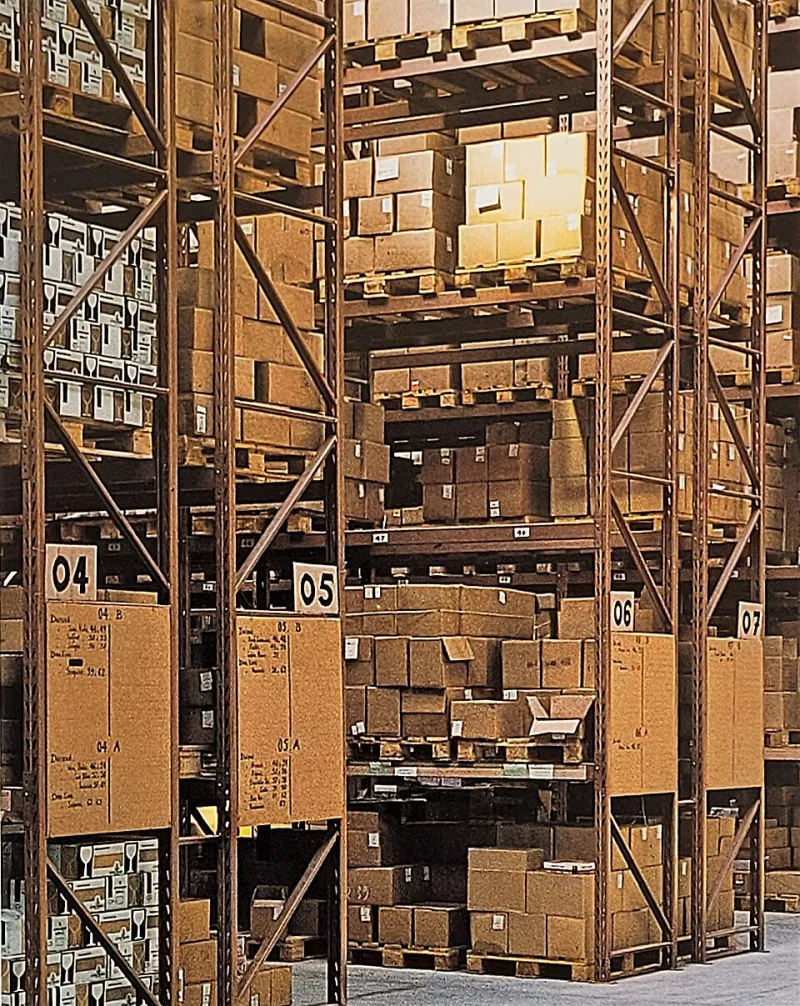
Photo: BBCLCD, CC BY-SA 4.0, via Wikimedia Commons
Most buying decisions in the UK are made from a desk. A credit check here, a reference there, a brochure with reassuring photography, and the paperwork is done. Yet the single most informative hour in any supplier assessment is often the one spent walking round their premises — unannounced or, more fairly, at short notice.
We have been on both sides of this exercise at Hings Ltd. We have hosted buyers on our own floor, and we have walked other firms' warehouses before committing to them. The buildings themselves rarely matter. What the stockroom reveals about habits, discipline and honesty matters a great deal.
Why the Site Visit Still Matters
A credit report tells you whether a company can pay its bills. A website tells you what a company wants you to think. Neither tells you how the business actually runs on a wet Tuesday in February.
The warehouse is where the truth keeps itself. Processes that survive a buyer's visit are processes that exist. Chaos that has been tidied into a corner usually peeks out somewhere. A short visit, arranged with a day or two's notice, strikes the right balance: courteous, but not so far in advance that a deep clean can disguise reality.
What to Look For
Labelling and location discipline. Can staff find a specific batch quickly? If the answer involves three people and a shrug, orders will be late for the same reason. Good operations have a consistent labelling system — whether sophisticated software or a well-kept whiteboard — and everyone follows it.
The state of the racking. Half-empty bays are not automatically a red flag; lean stockholding is sensible and, post-pandemic, prudent. What matters is whether what remains is organised. Random half-full pallets scattered across locations suggest poor stock rotation and, eventually, expired or damaged goods shipped to customers.
Dust on the stock. A fine layer of dust tells you how long goods have sat in place. Some dust is inevitable in older buildings. But dust on fast-moving lines suggests the supplier is holding stock they cannot sell — which may become your problem if you are buying into an ageing inventory.
Goods in and goods out. Watch the receiving bay for ten minutes. Is incoming stock checked, or simply wheeled inside? A supplier who inspects what arrives from their own suppliers is a supplier who will notice problems before you do.
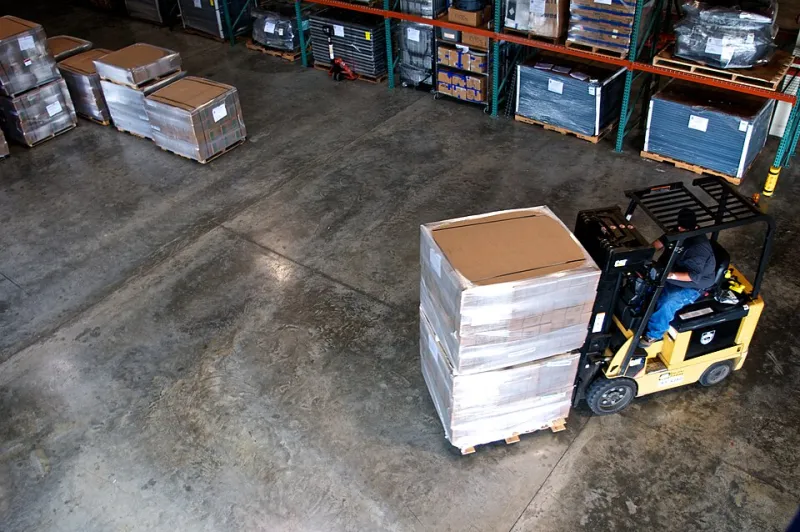
Housekeeping and safety. Blocked fire exits, trailing cables, forklifts taking corners too quickly — these are not merely compliance issues. A firm that is careless with its own people and premises will be careless with your order.
The paperwork trail. Ask to see a picking note, a delivery note, a goods-in record. Hesitation, or a hunt through a shoebox of paperwork, tells you something the sales team cannot paper over.
What to Politely Ignore
Not every imperfection is a warning. Older buildings are dusty. Small firms cannot afford the fit-out of a distribution centre. A bit of clutter in the office is character, not chaos. Judge the system, not the paintwork.
Similarly, do not read too much into a quiet floor. If you visit outside their peak, low activity may simply reflect the calendar. Ask when their busy period is, and if possible arrange a second visit then.
Questions Worth Asking on the Walk
- How do you handle a stock-out on a committed order — what actually happens that day?
- Who signs off quality checks, and where are the records kept?
- What is your average order-to-despatch time, and can you show me on a recent job?
- Which parts of the operation cause you the most bother? (Suppliers who answer this honestly are usually the ones worth having.)
That last question is the most valuable of all. Every operation has a weak point. The supplier who can name theirs, and explain how they manage around it, is demonstrating precisely the self-awareness that predicts reliability.
A Two-Way Street
Buyers should expect the same courtesy in return. If a supplier asks to visit your premises before taking on a large contract, treat it as a good sign rather than an inconvenience. Firms that inspect their customers as carefully as their customers inspect them tend to keep the customers they choose.
The paperwork, the credit check and the reference calls all have their place. But before you sign, put your coat on and go and look at the racking. Buildings do not lie, and neither does dust.